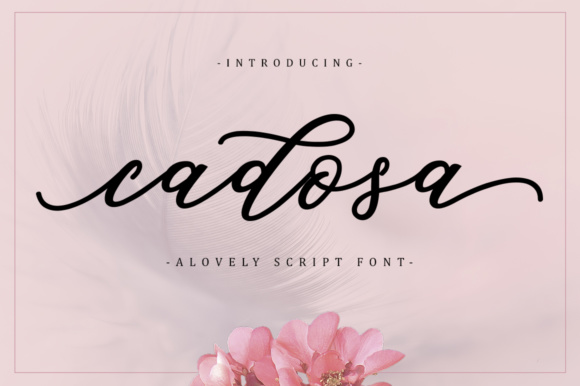
Cadosa Font: A Modern Typographic Solution for Designers and Creators
The Cadosa Font is a contemporary typeface that has gained attention for its clean lines, readability, and versatility across various design applications. Designed with both aesthetic appeal and functional performance in mind, it offers a balanced approach to typography that can enhance the visual identity of any project. Whether you're working on digital interfaces, print materials, or branding assets, Cadosa Font provides a reliable and professional option for designers seeking a modern look.
Understanding the Cadosa Font
Cadosa Font is a sans-serif typeface that combines geometric precision with a humanist touch. Its design elements reflect a minimalist approach while maintaining a level of warmth that prevents it from feeling overly cold or clinical. This balance makes it suitable for a wide range of contexts, from corporate branding to editorial layouts.
Developed with attention to detail, Cadosa Font includes multiple weights and styles, allowing for greater flexibility in design work. The font family typically consists of regular, bold, italic, and semi-bold variants, ensuring that users can find the right tone and emphasis for their content. This range supports both headings and body text, making it a practical choice for projects requiring consistent typographic hierarchy.
Key Characteristics of Cadosa Font
One of the standout features of Cadosa Font is its clarity. The letterforms are well-proportioned, with open counters and consistent stroke widths that contribute to excellent legibility, even at smaller sizes. This quality is particularly valuable for digital interfaces where readability can significantly impact user experience.
The font also exhibits a high degree of consistency across different characters. This uniformity helps maintain a cohesive look throughout a design, reducing the need for additional adjustments or customizations. For professionals who prioritize efficiency, this reliability can streamline the design process and reduce potential errors.
Cadosa Font’s versatility extends to its adaptability across platforms. It performs well on both screen and print, making it a useful tool for multi-channel design projects. Its clean structure ensures that it remains sharp and clear regardless of the medium, which is essential for maintaining brand integrity across different formats.
Practical Applications and Use Cases
For designers working on web projects, Cadosa Font offers a strong foundation for UI/UX design. Its structured yet approachable style aligns well with modern design trends, providing a professional appearance without sacrificing accessibility. When used in conjunction with other design elements, it can help create a visually appealing and user-friendly interface.
In print design, Cadosa Font excels in both large-scale and small-format applications. Its readability at various sizes makes it ideal for brochures, magazines, and packaging. The font’s neutral aesthetic also allows it to blend seamlessly with other visual elements, ensuring that it complements rather than competes with the overall design.
For branding and identity work, Cadosa Font can serve as a primary typeface for logos, stationery, and marketing materials. Its modern yet timeless look can help establish a brand’s visual presence while remaining adaptable to future design needs. This long-term value makes it an attractive option for businesses looking for a consistent and professional typographic solution.
Strengths and Limitations
Cadosa Font’s strengths lie in its clarity, flexibility, and consistency. These qualities make it a reliable choice for designers who require a typeface that performs well across different mediums and applications. Its ability to maintain legibility and visual harmony under various conditions is a significant advantage in both digital and print environments.
However, like any typeface, Cadosa Font may not be the best fit for every project. Its clean and minimal design might lack the distinctiveness required for highly creative or niche branding efforts. In such cases, more unique or expressive fonts could provide a better match for the intended message or audience.
Additionally, while Cadosa Font offers a broad range of weights and styles, some users may find that the available options are limited compared to more established typefaces. This could be a consideration for those working on complex typographic hierarchies that require a wider variety of weights or special characters.
Who Benefits Most from Cadosa Font?
Professionals in fields such as graphic design, web development, and marketing can benefit from using Cadosa Font in their work. Its practicality and adaptability make it especially useful for projects that require a clean, modern aesthetic without the need for excessive customization.
Entrepreneurs and small business owners may find Cadosa Font helpful in establishing a professional brand image. Its neutrality and readability ensure that it can be used across various touchpoints, from websites to printed materials, without compromising on quality or consistency.
Freelancers and creatives who work on diverse projects will appreciate the font’s ability to support different design needs. Whether creating a website, designing a logo, or preparing a presentation, Cadosa Font provides a reliable and versatile option that can adapt to changing requirements.
Recommendations for Using Cadosa Font
When incorporating Cadosa Font into a design, it’s important to consider the context and purpose of the project. For instance, using it as a heading font can add a sense of authority and clarity, while using it for body text ensures that the content remains easy to read and engaging.
Designers should also pay attention to spacing and line height when working with Cadosa Font. While the font is designed for optimal legibility, proper typographic settings can further enhance its effectiveness, especially in longer blocks of text.
Testing the font in real-world scenarios is recommended to ensure that it meets the specific needs of the project. This includes evaluating how it appears on different devices, in varying lighting conditions, and alongside other design elements.
Conclusion
Cadosa Font offers a well-balanced combination of aesthetics and functionality that can serve a wide range of design needs. Its clean lines, readability, and adaptability make it a valuable asset for professionals seeking a reliable and modern typographic solution. While it may not be the best fit for every project, its strengths in consistency and usability make it a strong contender for many design workflows.
Whether you're working on a digital interface, a print campaign, or a branding initiative, Cadosa Font provides a solid foundation for creating visually compelling and effective designs. By understanding its characteristics and limitations, you can determine whether it aligns with your goals and enhances your creative output.