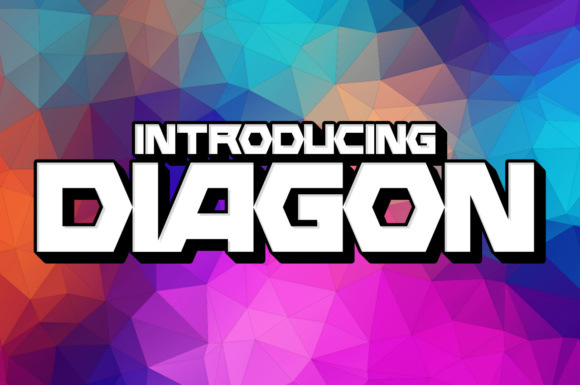
Diagon: Creative Possibilities
Diagon offers a unique framework for exploring creative expression. Whether you're a designer, marketer, or content creator, understanding Diagon can open new doors for your work. This approach encourages thinking beyond traditional structures, allowing for fresh perspectives and innovative solutions.
At its core, Diagon is about connecting ideas in unexpected ways. It's not just a method but a mindset that fosters originality and adaptability. By embracing this concept, creators can find new paths to achieve their goals, whether they're working on a project, developing a strategy, or simply seeking inspiration.
Understanding Diagon
Diagon represents a way of organizing thoughts and visualizing connections. It uses diagonal lines as a metaphor for linking concepts, trends, and possibilities. This technique helps break free from linear thinking, making it easier to see relationships that might otherwise go unnoticed.
For example, a designer might use Diagon to explore how different color schemes interact with layout choices. A writer could apply it to structure narratives in non-traditional formats. The key is to look at elements in a new light, finding links that enhance creativity and clarity.
What makes Diagon particularly useful is its flexibility. It can be applied across various disciplines and mediums. From digital design to content marketing, the principles of Diagon remain relevant, offering a versatile tool for problem-solving and innovation.
Exploring Creative Applications
One of the most compelling aspects of Diagon is its ability to inspire new approaches. For instance, in graphic design, Diagon can help create dynamic compositions that draw the eye and guide the viewer's attention. By arranging elements diagonally, designers can add movement and depth to their work.
In content creation, Diagon can be used to structure articles, videos, or social media posts. Instead of following a strict top-to-bottom format, creators can experiment with layered storytelling or multi-dimensional presentations. This not only engages the audience but also keeps the content fresh and interesting.
Marketers can benefit from Diagon by rethinking campaign strategies. By connecting different channels, audiences, and messages through diagonal relationships, campaigns can become more cohesive and impactful. This approach encourages a more integrated and thoughtful planning process.
Adapting Diagon for Different Goals
Diagon isn't one-size-fits-all, but it can be tailored to suit specific needs. For entrepreneurs, it might mean identifying new business opportunities by linking market trends with customer preferences. For educators, it could involve creating lesson plans that connect multiple subjects in a meaningful way.
Freelancers and small business owners can use Diagon to streamline their workflows. By mapping out tasks and resources in a diagonal pattern, they can identify bottlenecks and optimize their processes. This leads to greater efficiency and better outcomes.
Additionally, Diagon can be used in personal development. By examining goals and aspirations through a diagonal lens, individuals can uncover hidden connections and develop more holistic strategies. This can lead to more balanced and sustainable progress.
Practical Tips for Using Diagon
To get started with Diagon, begin by identifying the key elements of your project or idea. These could be themes, goals, or components that need to be connected. Once you have these, arrange them in a diagonal pattern, looking for natural links and relationships.
It's important to stay open-minded and flexible. Diagon works best when you allow yourself to explore without rigid constraints. Experiment with different arrangements and observe how they affect your work.
Another tip is to use visual tools. Sketching or using digital software can help bring your diagonal ideas to life. This makes it easier to see how different elements interact and how they contribute to the overall vision.
Keeping Results Clear and Effective
While Diagon encourages creativity, it's also important to maintain clarity and focus. Ensure that each connection you make serves a purpose and contributes to the overall goal. Avoid unnecessary complexity that could confuse the audience or dilute the message.
Consistency is key. When applying Diagon across different projects, try to maintain a coherent style or structure. This helps build recognition and trust, especially if you're presenting your work to an audience.
Originality should be a priority. While Diagon provides a framework, it's up to you to bring your unique perspective and voice. Use it as a foundation, but don't be afraid to add your own twists and interpretations.
Conclusion
Diagon is more than just a creative technique—it's a mindset that encourages exploration, connection, and innovation. By incorporating Diagon into your work, you can unlock new possibilities and approach challenges with fresh energy and insight.
Whether you're designing, writing, marketing, or teaching, Diagon offers a valuable tool for enhancing your creative process. Embrace its principles, experiment with different applications, and discover how it can transform your approach to your craft.