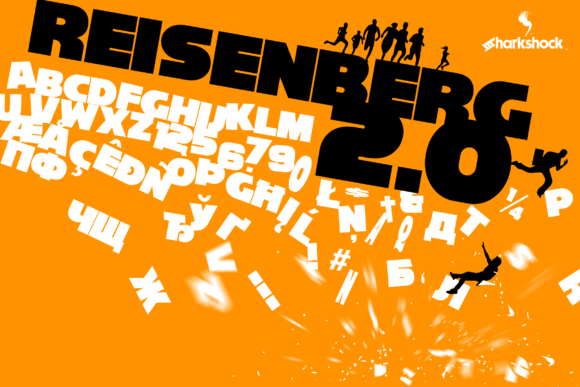
Reisenberg 2.0: A Design Revolution
Reisenberg 2.0 has redefined the landscape of modern graphic design, offering a fresh approach to visual communication that resonates with both creators and audiences. This evolution in design philosophy emphasizes clarity, creativity, and consistency, making it an essential tool for professionals across various industries.
At its core, Reisenberg 2.0 is more than just a set of design elements; it's a comprehensive framework that supports effective branding, user engagement, and aesthetic appeal. By integrating this updated design system into your workflow, you can elevate your creative projects and ensure they stand out in a crowded digital space.
The Impact of Reisenberg 2.0 on Branding
For designers focused on brand identity, Reisenberg 2.0 provides a robust foundation for developing cohesive visual systems. From logo design to color palettes, every element is crafted to reflect a brand's personality while maintaining professional standards. This attention to detail ensures that your brand communicates effectively with its target audience.
When creating marketing materials, Reisenberg 2.0 helps maintain a consistent look and feel across all platforms. Whether it's a print ad or a digital campaign, the design elements are optimized for readability and visual impact, ensuring that your message is clear and compelling.
Applications Across Creative Industries
Reisenberg 2.0 is versatile, making it suitable for a wide range of applications. In social media content, it enables designers to create eye-catching graphics that align with brand guidelines while capturing attention. The use of strong visual hierarchy and balanced composition ensures that each post is both aesthetically pleasing and informative.
For website and UI design, Reisenberg 2.0 offers a structured approach to layout and interaction. It enhances user experience by promoting intuitive navigation and clear information flow. This results in a more engaging and accessible digital environment for users.
- Editorial layouts benefit from Reisenberg 2.0's emphasis on typography and spacing, creating a visually appealing reading experience.
- Packaging design gains a competitive edge through the use of cohesive color schemes and striking imagery.
- Advertising campaigns leverage the design system to maintain brand recognition and consistency across multiple channels.
Key Considerations for Effective Design
When selecting and evaluating design elements, it's crucial to consider factors such as scalability, readability, and compatibility with existing brand systems. Reisenberg 2.0 simplifies this process by providing a unified set of resources that can be easily adapted to different contexts.
Designers should also focus on visual hierarchy, ensuring that key messages are emphasized through appropriate use of size, color, and placement. This not only enhances aesthetics but also improves the overall user experience.
Ultimately, Reisenberg 2.0 empowers creators to make thoughtful design choices that enhance both the functionality and beauty of their work. By embracing this innovative approach, you can elevate your projects and deliver a more impactful visual experience.
Whether you're working on a small creative project or a large-scale branding initiative, Reisenberg 2.0 offers the tools and guidance needed to achieve professional results. Its influence on modern design continues to grow, making it an invaluable asset for any designer looking to stay ahead in a competitive field.